Thursday 14 May 2026
Interview with the All The Things Artists by Volunteer Ella Reekie
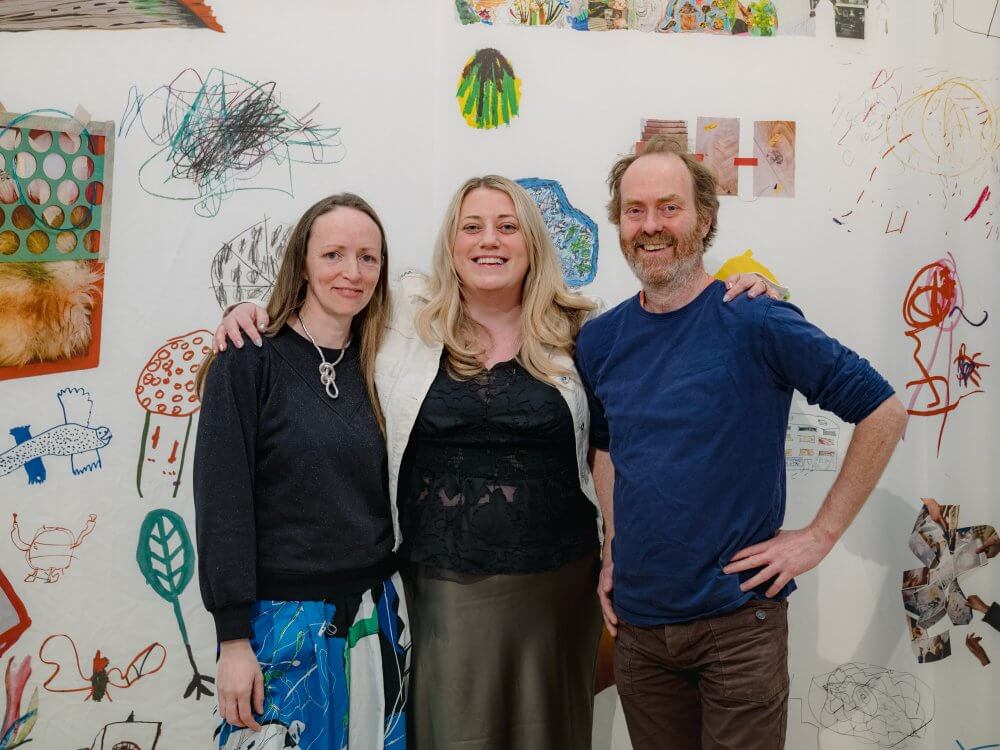
Abbie, Lucy & Matt
What was your inspiration for this exhibition?
The initial proposal was to start with an empty gallery. A completely empty space but based on the idea that we were going to work with audiences like Age UK, volunteers and schools to then decide what would come into the gallery. So, I guess the inspiration was all the ideas behind the show, based on the ideas of everyone involved. We were also interested in the intergenerational angle of play and imagination.
How did you all originally get together?
We have worked together for a long time, about 15 years, and we’ve always had practices that cross over. The inspiration for this show looks back at all of those things that we’d done, both individually and together, and we started working on the exhibition based on this shared experience.
The table became a prominent theme during the co creation and part of this exhibition. How did you come up with this idea?
We see the table as an artwork and not just a functional object. I think the table – often in a workshop situation or when you meet a group – is a kind of meeting place for people. It can be cultural, where you share a meal. It might also be where you sit and chat. The table then can be a very loaded subject.
When we first got together and proposed this idea, we sat around a table and laid out a large piece of paper and drew some of our first ideas. Sometimes we even just sat on the floor around a big piece of paper. So, this became quite symbolic of how we were meeting as a group and a centre point of where things started happening.
As part of the evolving exhibition, we have responded by moving the tables, looking at how it would work in the space and creating new arrangements.
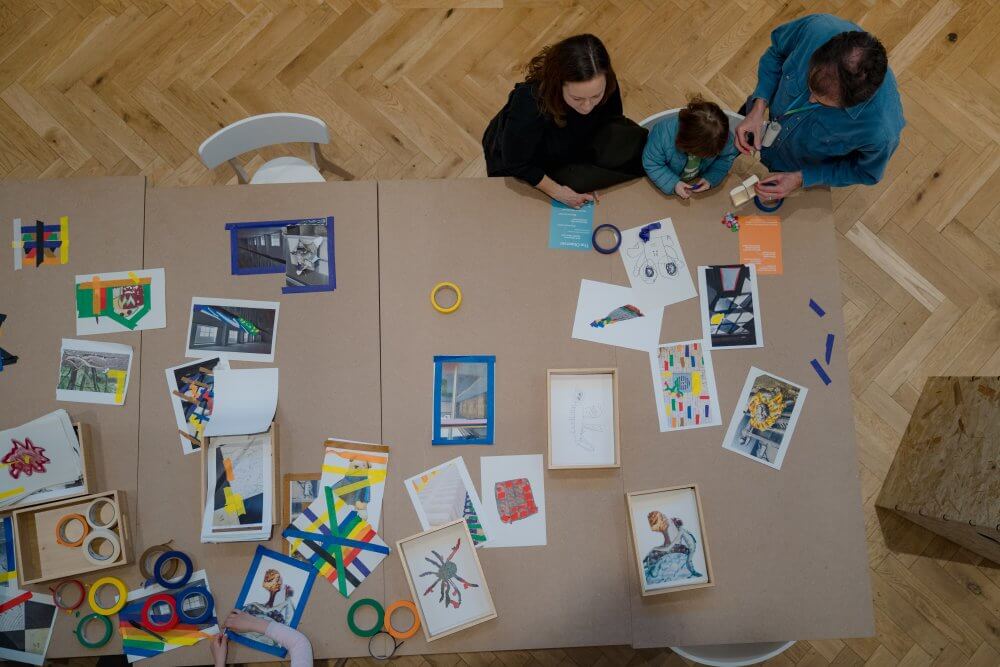
The tables in the exhibition
Have the responses to the exhibition been as you expected?
We wanted to create a space that feels inviting and comfortable and where people just want to sort of hang out. And from that it feels that people are already becoming more engaged and using the space in a way that reflects who they are. We’re watching it evolve and I think every time you come in again it’s wonderful to see this has inspired such positive, innovative and enjoyable responses. When we introduced the paperclips, we expected people to fold and hang their creations which is what they did – often in really inventive ways.
I think maybe it’s about us taking the time and space to notice what new things have appeared – little responses, or even the gallery recording bits and pieces. They might share something online, and you just know that every time something’s shared, or someone’s left something, even if we don’t know the full story behind it, you can kind of imagine that this person has got involved in doing that thing. Hopefully they’ve enjoyed doing it, and they’ve left it there, and it’s become part of this bigger thing.
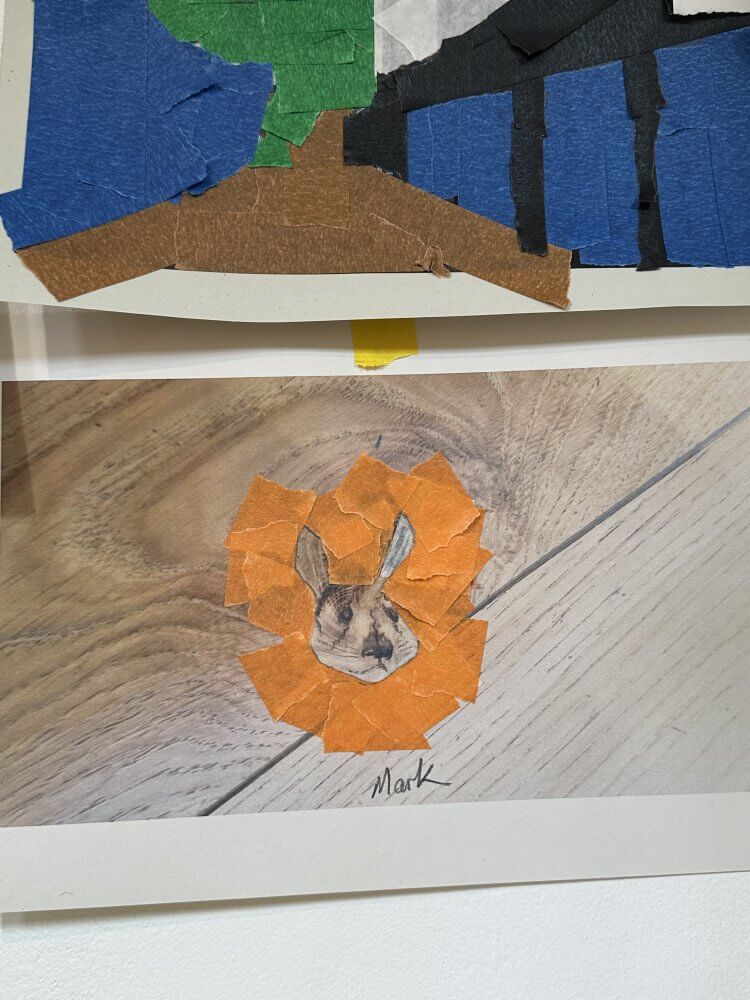
Someone created a Rabbit out of an image of the wooden floor
What do you most hope that visitors will take away from the exhibition?
We keep coming back to time and space being huge – whether it’s drawing, making or just being. I don’t mind how they interact, but I really want them to feel like they have permission to be in the space and to take part. I’d like them to become their most creative, playful and imaginative selves, and to take away that ability to be more aware.
I guess it’s about the experience of people having a space like this, and what they take away from it — that the positive experience will impact them for a long time after they’ve been to the show, far more than if they made something that they took home.
When you come in to reset have you already planned the changes you will make?
We definitely haven’t decided before we get here. We try to be really responsive to what we’re observing happening and then we make changes – like taking some of the colour rolls of tape out of the tape selection available – they are really considered responses.
During our loose residency days, our reset, we respond to the changes we see, spend time just hanging out, doing stuff, observing what people are doing and have conversations. We are always talking, watching, observing – like sponges – absorbing what’s happening, and then respond, and somehow work out what changes to make.
We prefer to use the term ‘process’ rather than ‘outcome’ – which feels too final – and very much see the exhibition as constantly evolving. When you do this kind of work you plan a lot but not in an obvious way. You adapt, shift and grow. We don’t see ourselves as experts in this – we see ourselves holding a space and reflecting.
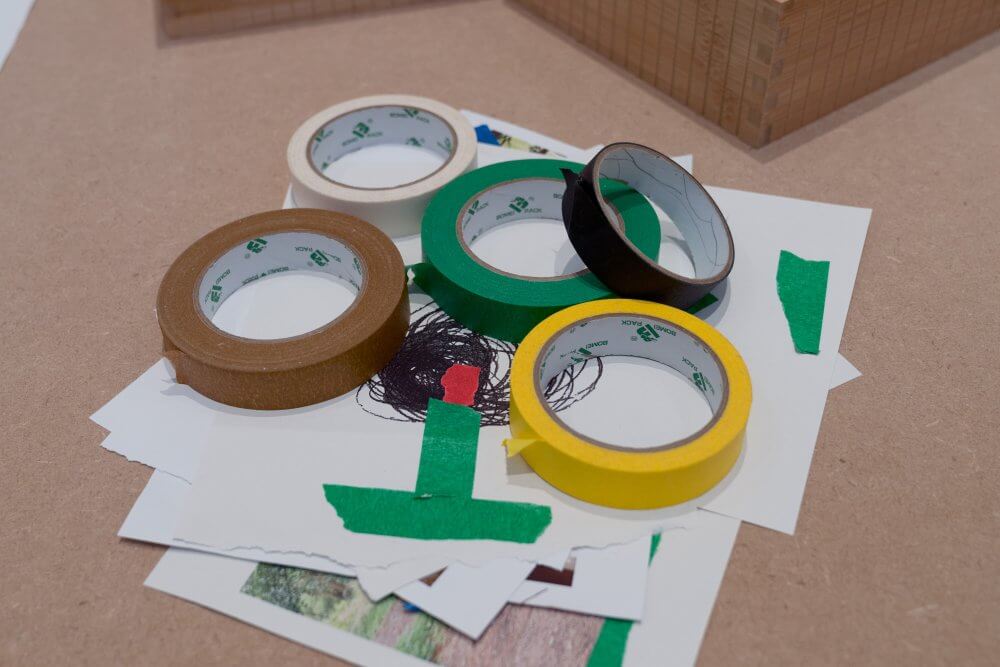
Rolls of coloured and beige tape